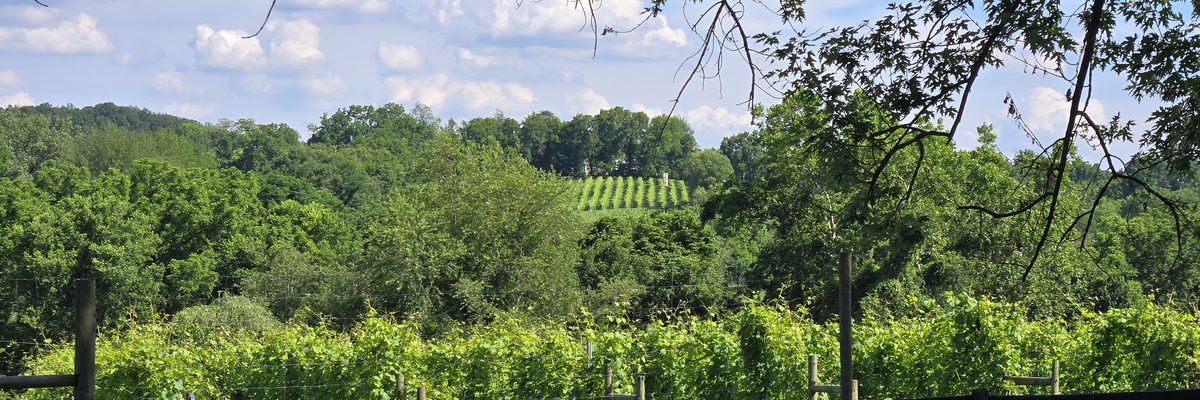
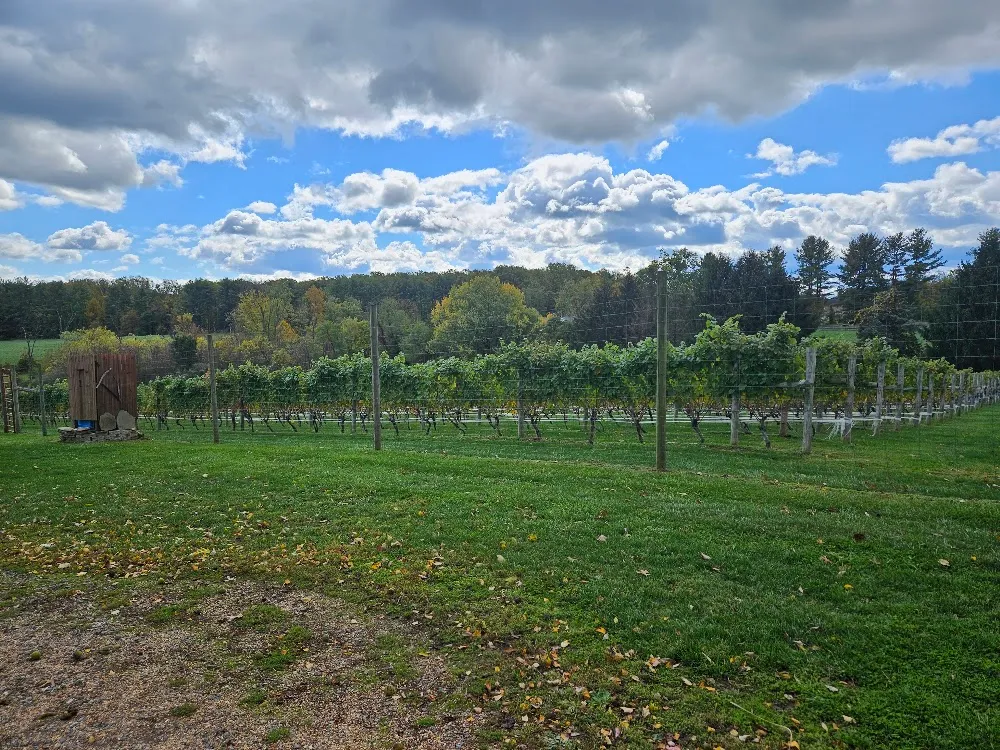
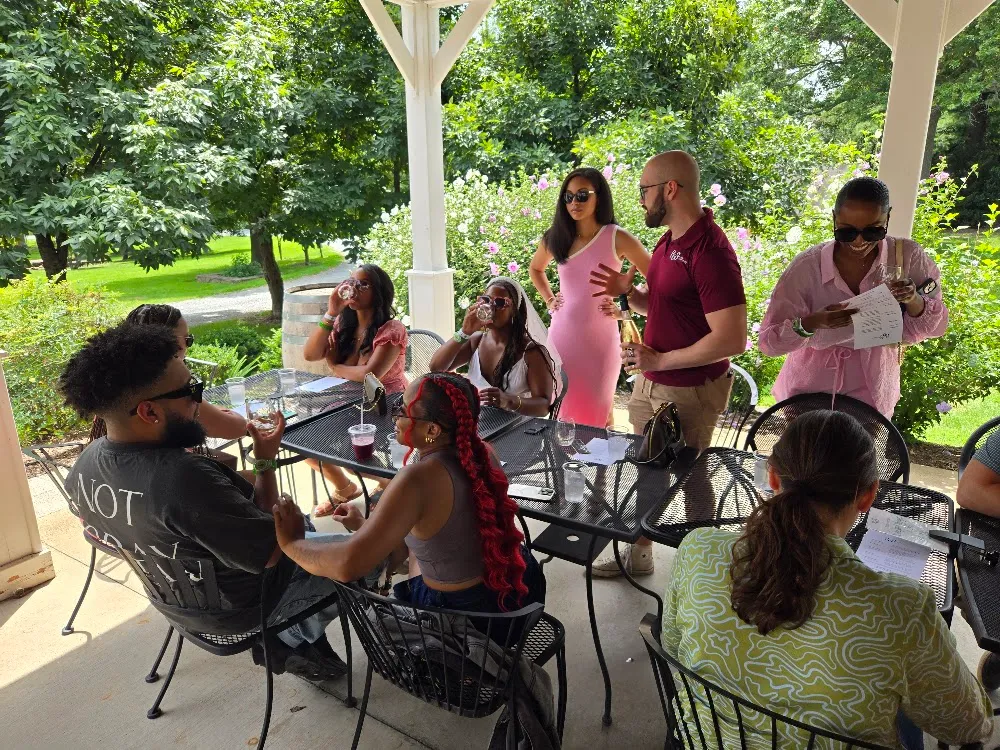
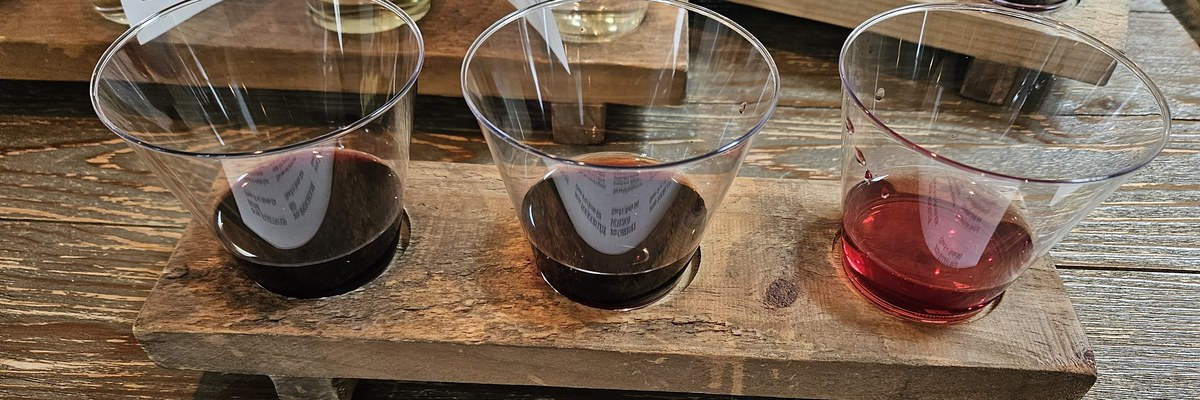
The story of Loudoun wine country, and how to visit.
Virginia spent more than 350 years trying to make great wine. Today more than 50 wineries and tasting rooms sit about 25 miles from Washington, DC. Here is how Loudoun County got here, why it is worth the trip, and the easiest way to plan your day.
50+wineries and tasting rooms in Loudoun County, per Visit Loudoun
About 25 milesfrom Washington, DC to Loudoun wine country
1984the year Loudoun made its first modern wine
About 1 millionvisitors to Loudoun wineries, breweries and distilleries in 2023
The story
A 400-year experiment that finally took root.
Loudoun's wine scene feels new, and in a way it is. But it is the newest chapter of a 400-year Virginia story.
Jamestown's vines,and Jefferson's
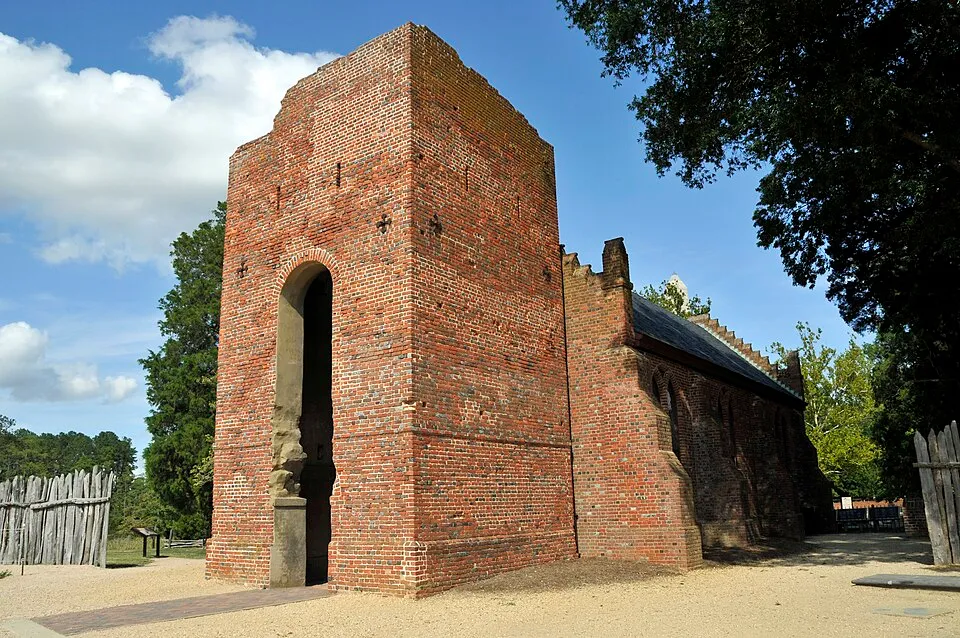
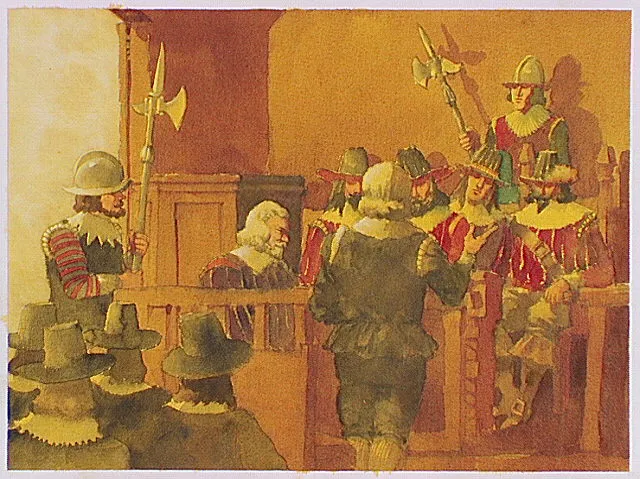
Wine in Virginia is almost as old as Virginia itself. Jamestown's settlers planted vines in 1609, hoping wine would become a cash crop. In 1619 the colony's lawmakers passed Acte 12, which required every male householder to plant and tend 10 European grapevines each year. Law after law followed for half a century, and none of them produced a lasting wine industry.
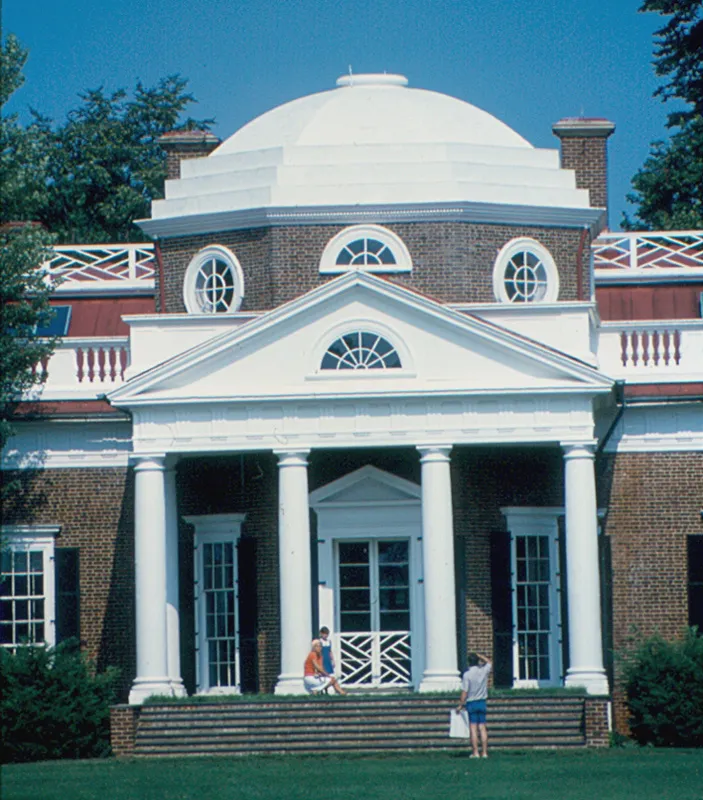
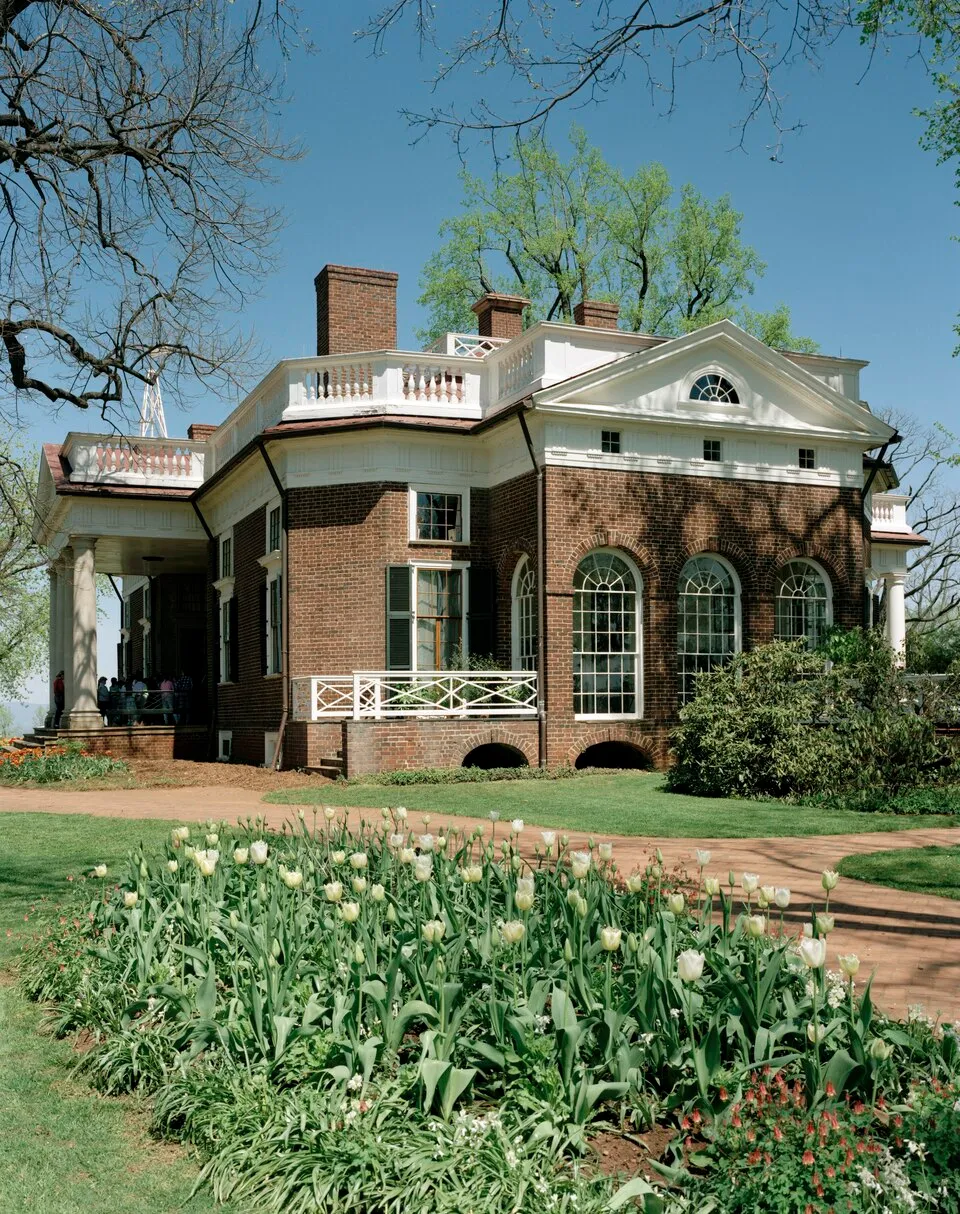
Thomas Jefferson tried next. In 1773 he persuaded the Italian winemaker Philip Mazzei to settle in Albemarle County, and George Washington and George Mason were among the investors in Mazzei's wine company. The European vines rarely lived long enough in Virginia's climate to make wine, and the venture failed. Jefferson kept his own vineyard experiment going at Monticello until 1817.
A native grape,a world's fair, and a long dry spell
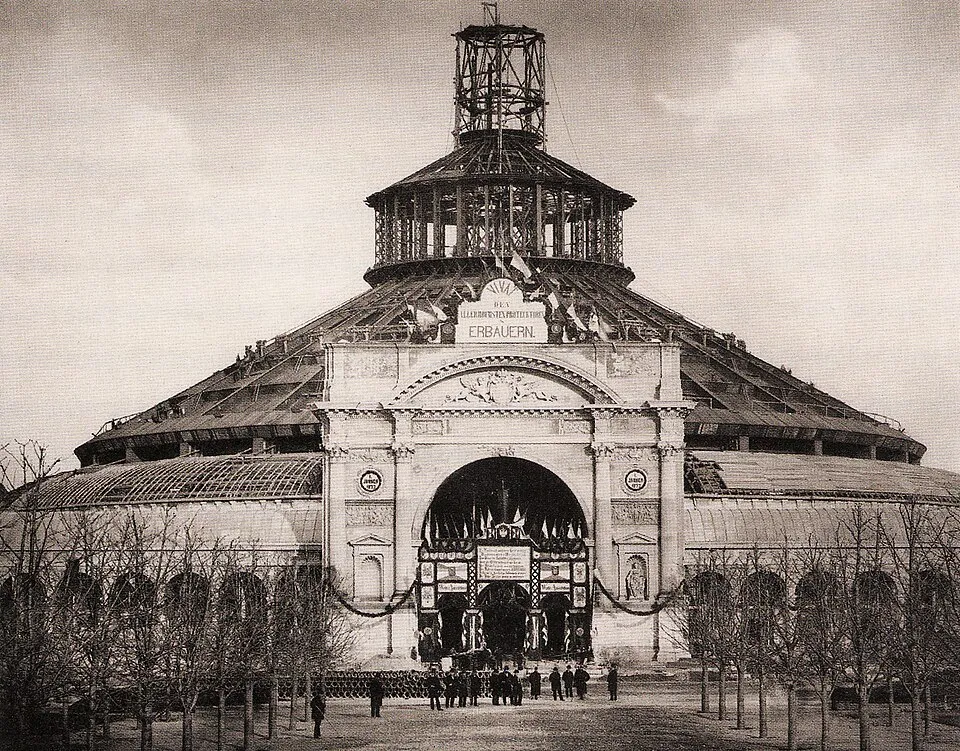
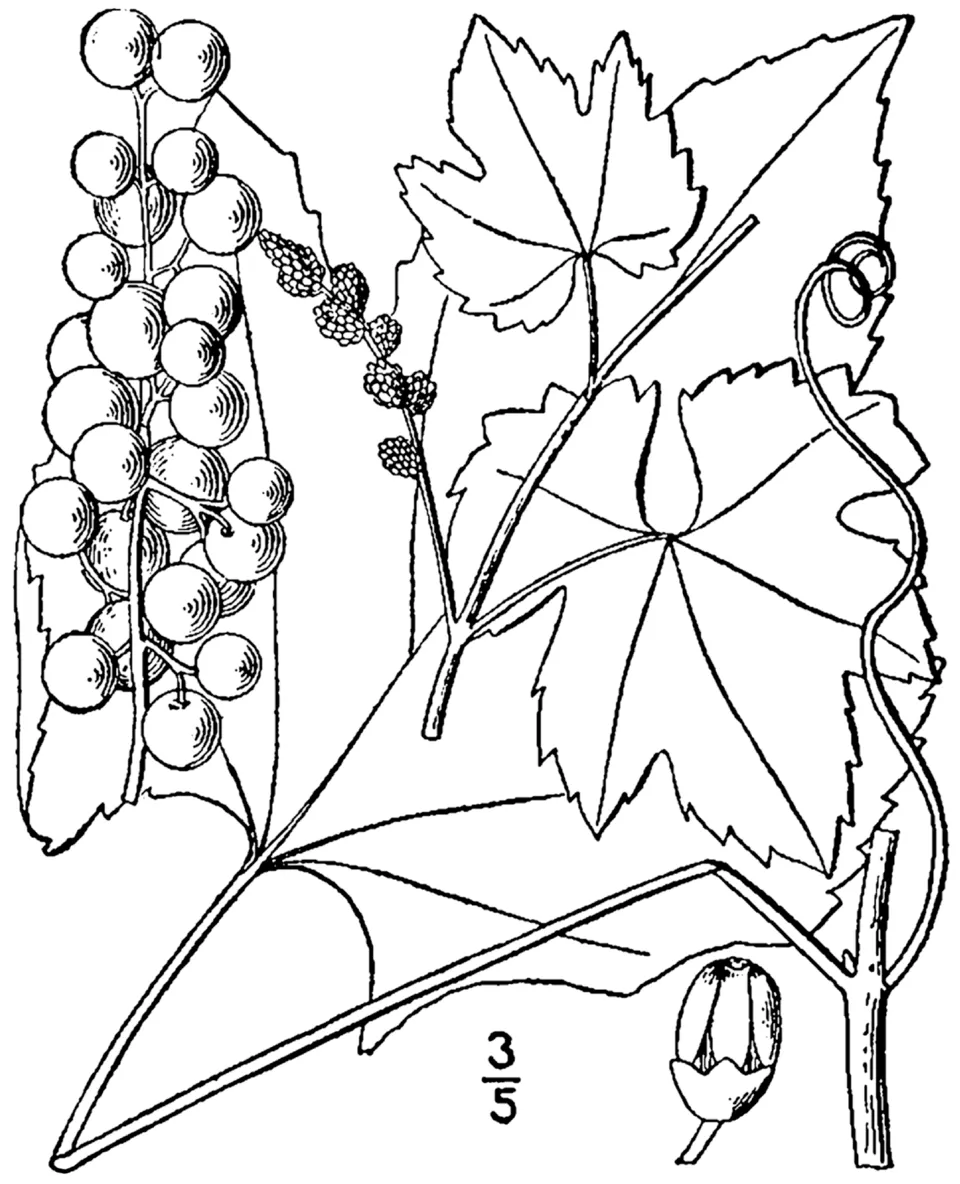
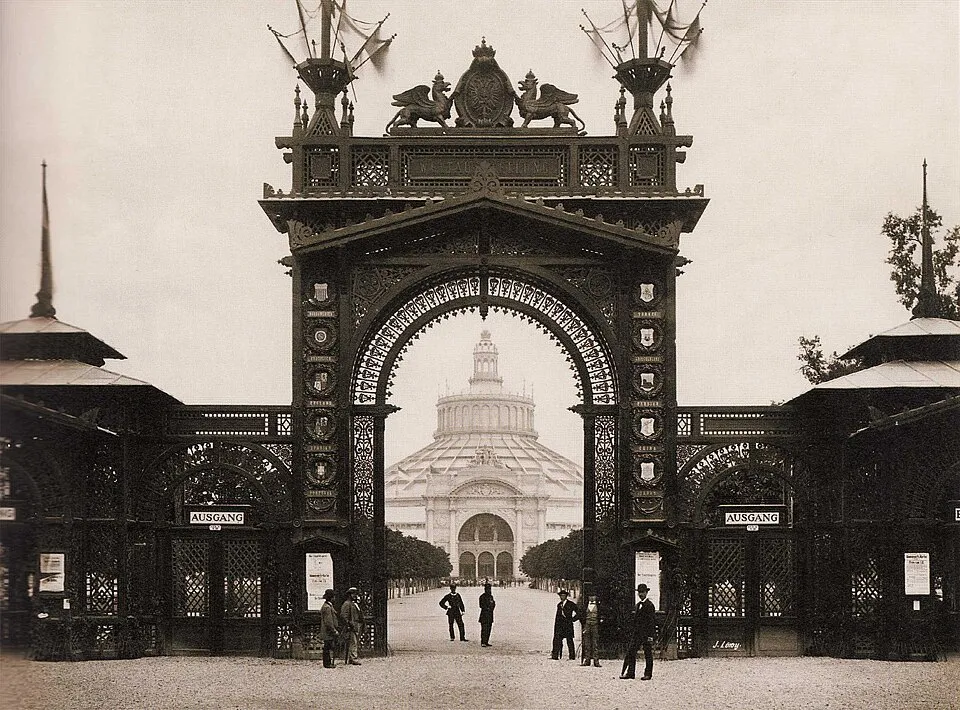
Virginia's first real success came from a homegrown grape. In the early 1800s, Dr. Daniel Norton of Richmond developed the Norton, a hardy American grape. In 1873 a Norton from the Monticello Wine Company won an international award at the Vienna World's Fair, and by 1890 Virginia was making 461,000 gallons of wine a year.
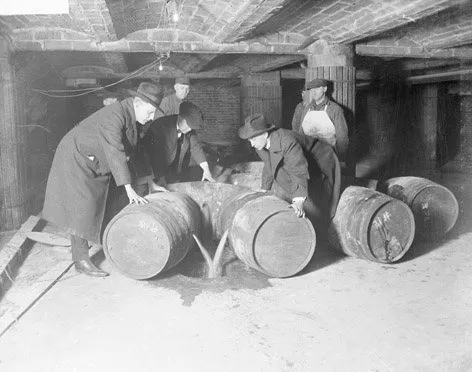
Then the state went dry ahead of the rest of the country. Virginia voters approved statewide Prohibition in 1914, and it took effect on November 1, 1916. Wineries closedor left the state, and by the end of the 1930s the Norton vines were gone.
Loudoun's chapter begins on a horse farm
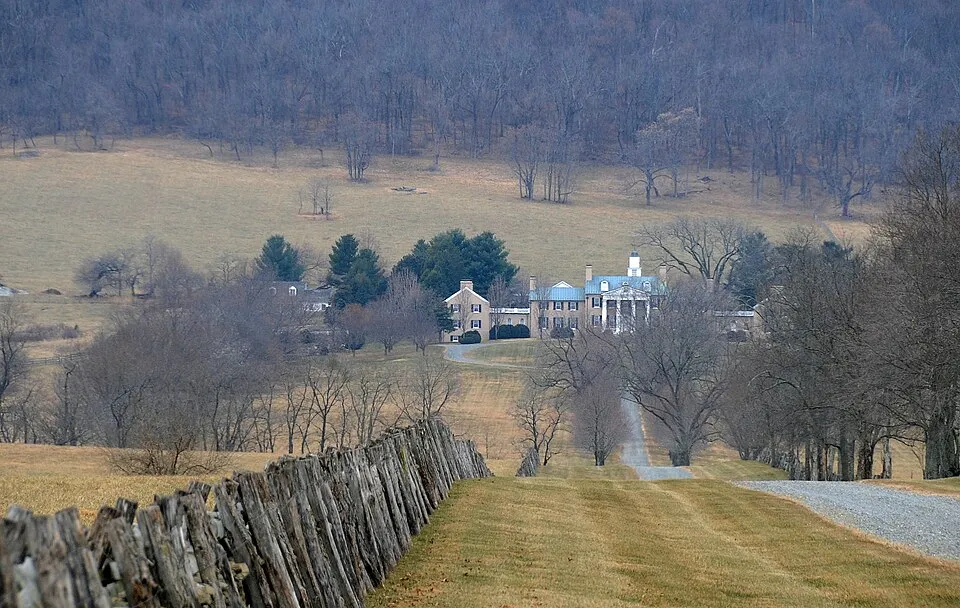
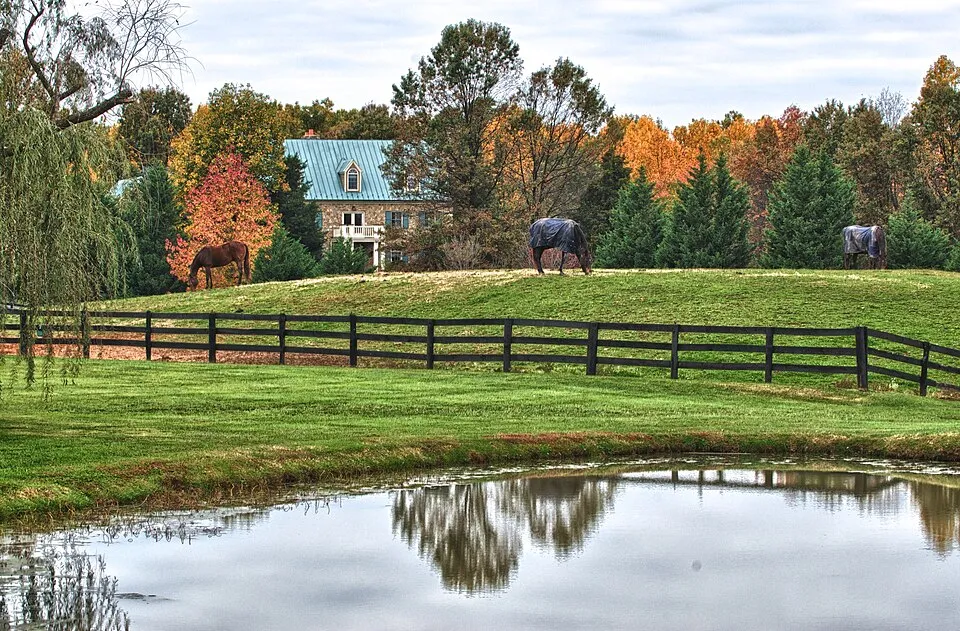
In October 1979, Lew Parker bought a former horse farm outside Leesburg. The vines he planted in the spring of 1980 all died. He replanted in 1981, crushed his first commercial harvest in 1984, and opened Willowcroft Farm Vineyards, Loudoun's first winery. Visit Loudoun calls his 1984 Riesling the county's first wine.
Parker had good timing.On March 24, 1980, Virginia passed the Farm Winery Act, which let farms grow grapes, make wine and sell it on the same property. Statewide, there were 6 wineries in 1980. Today there are over 300.
From four wineries to DC's Wine Country
Growth in Loudoun was slow at first. As late as 1997, the county had just four wineries open, according to Loudoun winemaker Doug Fabbioli. In 2008 Visit Loudoun began calling the county DC's Wine Country, and today it counts more than 50 wineries and tasting rooms, more than any other county in Virginia. In 2024 Loudoun marked 40 years of winemaking with Loudoun Red, a blend made together by 12 local wineries.
Interactive timeline
Loudoun wine through the centuries.
Pick an era to focus the story, or scroll the whole thing.
1609
Jamestown plants vines
Virginia's first settlers plant grapevines, hoping for a cash crop.
1619
Grapevines become the law
The House of Burgesses passes Acte 12, requiring every male householder to plant and tend 10 European grapevines each year.
1757
Loudoun County is born
Loudoun is carved from western Fairfax County and named for John Campbell, the fourth Earl of Loudoun. Leesburg becomes the county seat.
1773
Jefferson's Italian winemaker
Thomas Jefferson brings Philip Mazzei to Albemarle County. George Washington and George Mason invest in the wine company, and the vineyard fails.
1787
Middleburg is founded
Leven Powell founds Middleburg. By the 1910s, it leads the nation in fox hunting, horse breedingand racing.
Early 1800s
The Norton grape
Dr. Daniel Norton of Richmond develops a hardy American grape.
1873
Virginia wins in Vienna
A Norton from the Monticello Wine Company wins an international award at the Vienna World's Fair.
1890
A real wine state
Virginia produces 461,000 gallons of wine, fifth among the states.
1914
Virginia goes dry
Voters approve statewide Prohibition, ahead of national Prohibition. It takes effect on November 1, 1916, and wineries closeor leave.
1933
Repeal
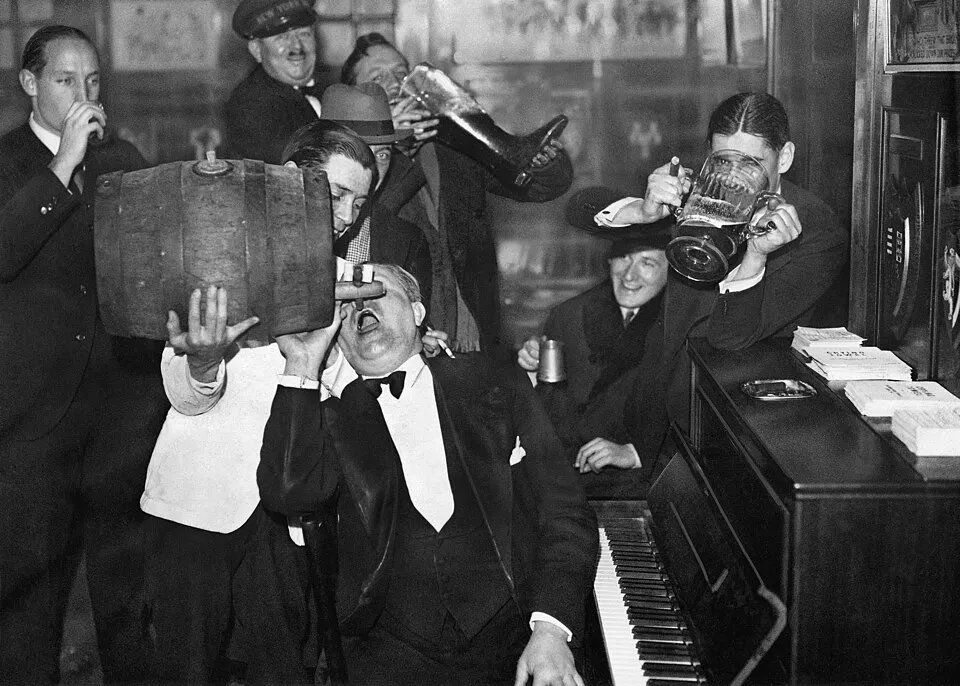
On October 3, 1933, Virginians vote to end Prohibition. By decade's end,Virginia's Norton is gone.
1967
A first license
Farfelu Vineyards in Flint Hill becomes the first licensed winery of Virginia's modern era.
1976
European grapes finally thrive
Near Charlottesville, vineyard manager Gabriele Rausse is credited as the first to grow European wine grapes successfully in Virginia.
1979
A horse farm near Leesburg
Lew Parker buys the former Martingale horse farm. His first vines,planted the next spring,all die.He tries again in 1981.
1980
The Farm Winery Act
On March 24, 1980, Virginia lets farms grow grapes, make wineand sell it on site.Virginia has six wineries.
1984
Loudoun's first wine
Willowcroft Farm Vineyards crushes its first commercial harvest, making Loudoun's first wine.
1997
Four wineries
Loudoun has only a handful of wineries. In April,Breaux Vineyards opens.Its farm covers 404 acres.
2004
Waterford gets a winery
Waterford Vineyard opens near the historic Quaker village. It later becomes Corcoran.
2007
Up on the ridge
Bluemont Vineyard is established on the first ridge of the Blue Ridge, at about 951 feet.
2008
DC's Wine Country
Visit Loudoun launches the DC's Wine Country name that the county still uses today.
2011
Viognier takes the crown
The Virginia Wine Board chooses Viognier as Virginia's signature grape.
2012
The Middleburg AVA
Federal regulators approve the Middleburg Virginia American Viticultural Area, about 198 square miles across parts of Loudoun and Fauquier counties.
2017
Loudoun's first Cup
The Barns at Hamilton Station wins Virginia's top wine award with its 2014 Cabernet Sauvignon.
2020
868 Estate takes the Cup
868 Estate Vineyards wins the Governor's Cup with its 2017 Vidal Blanc Passito. Visit 868 Estatewith us.
2022
A first for women in wine
Cana Vineyards wins with its 2019 Unité Reserve, and winemaker Melanie Natoli becomes the first woman to win the Governor's Cup.
2024
Forty yearsand a gold rush
Twelve wineries blend Loudoun Red for the industry's 40th year. Loudoun wines earn 27 Governor's Cup gold medals, more than any other Virginia region.
More than 50 wineriesand tasting rooms, about 25 miles from the capital. Plan your visit.
History along the wine roads
The old towns you pass on the way.
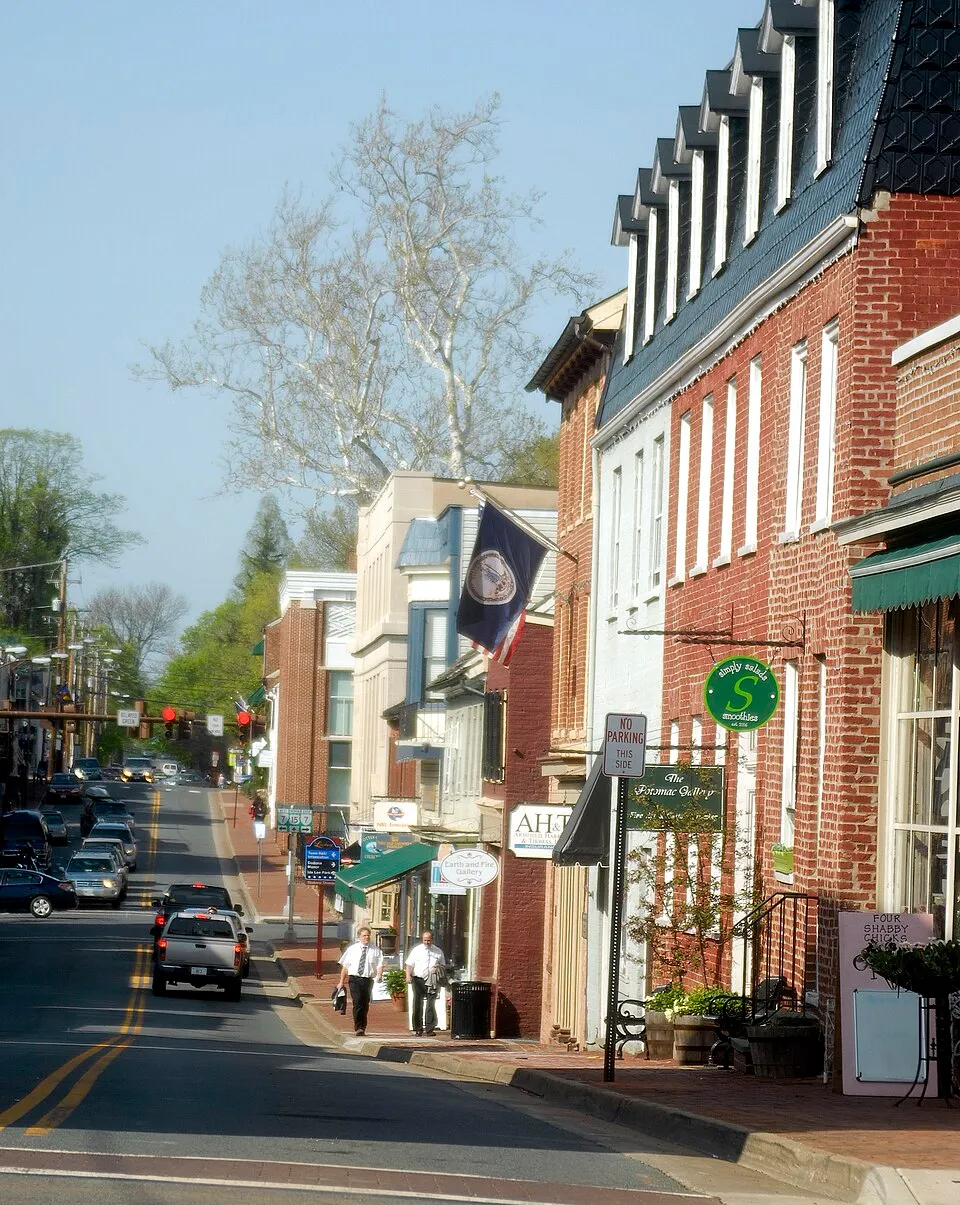
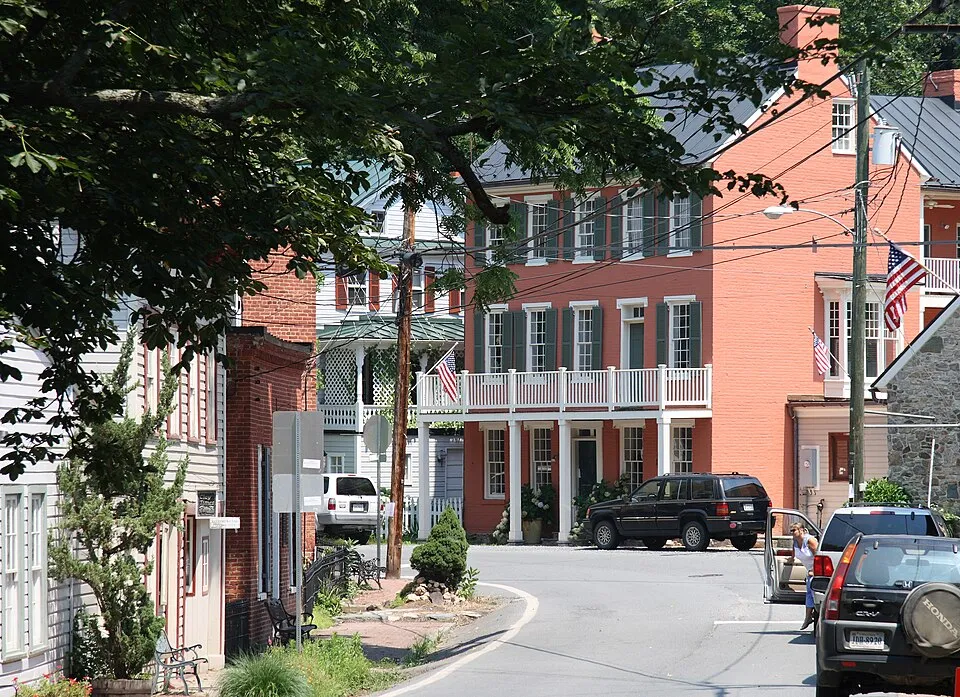
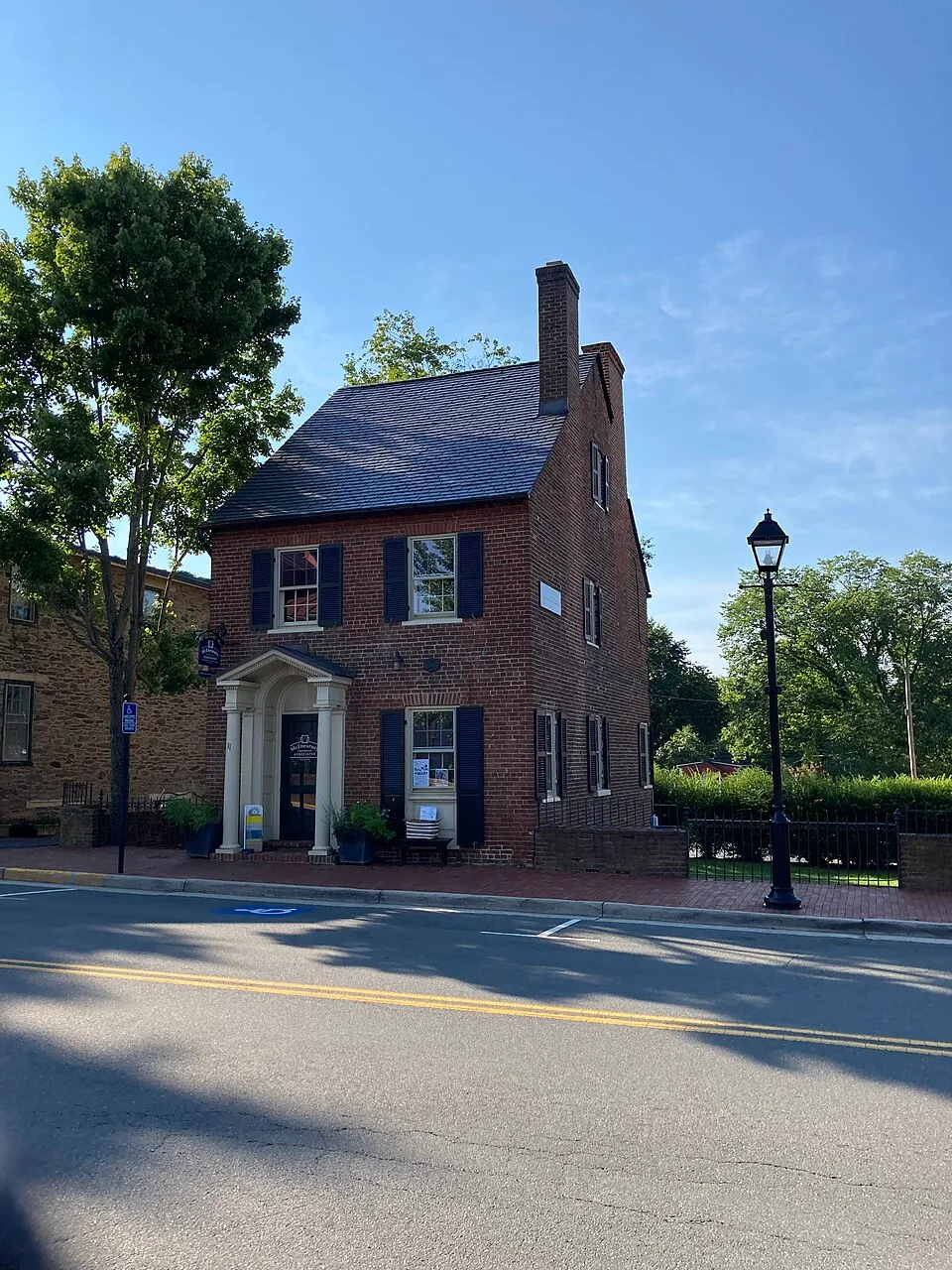
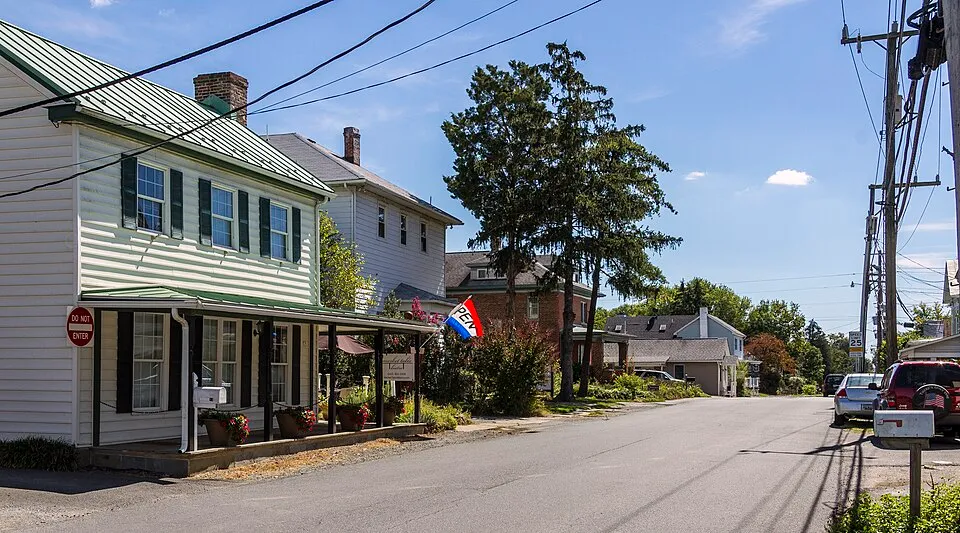
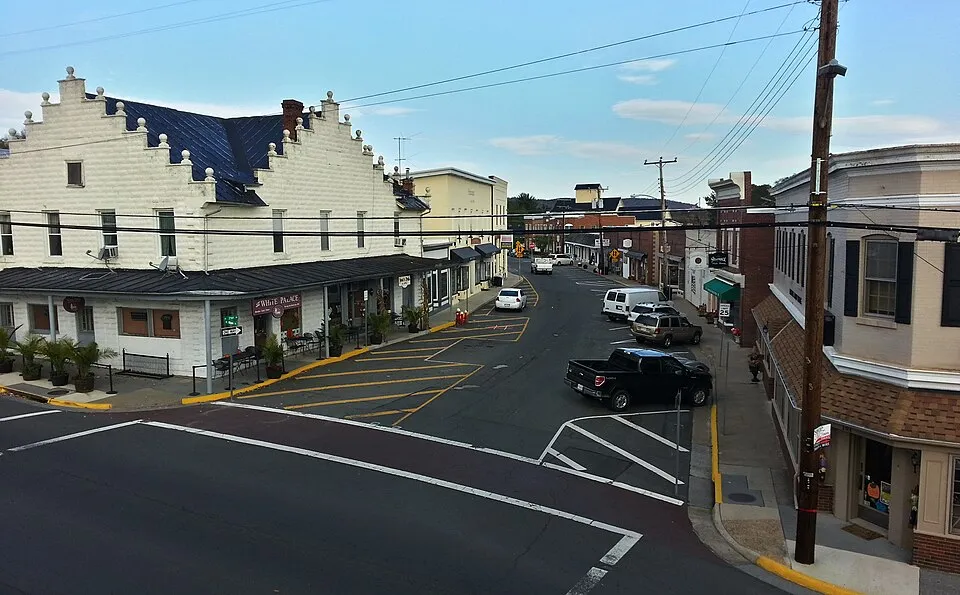
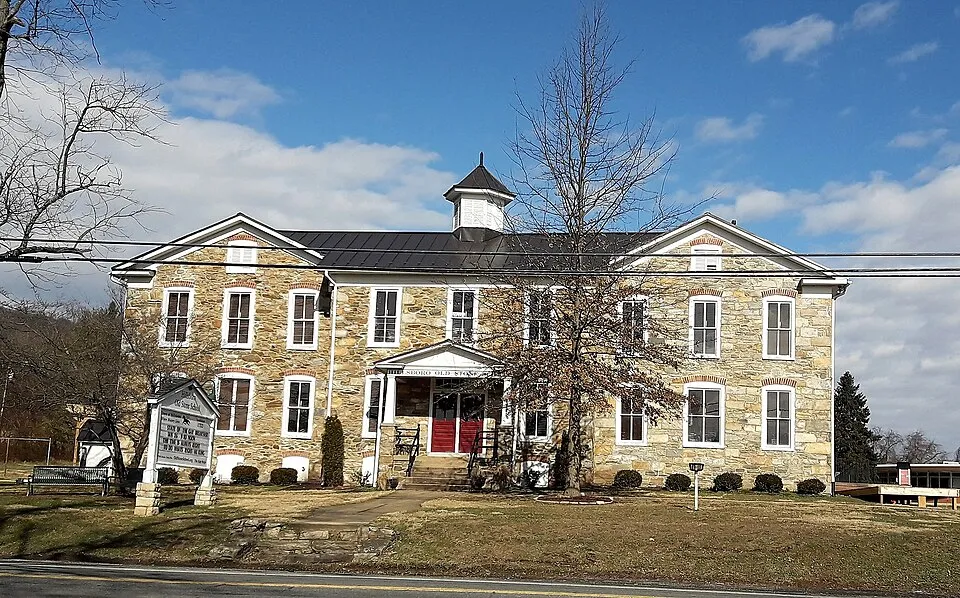
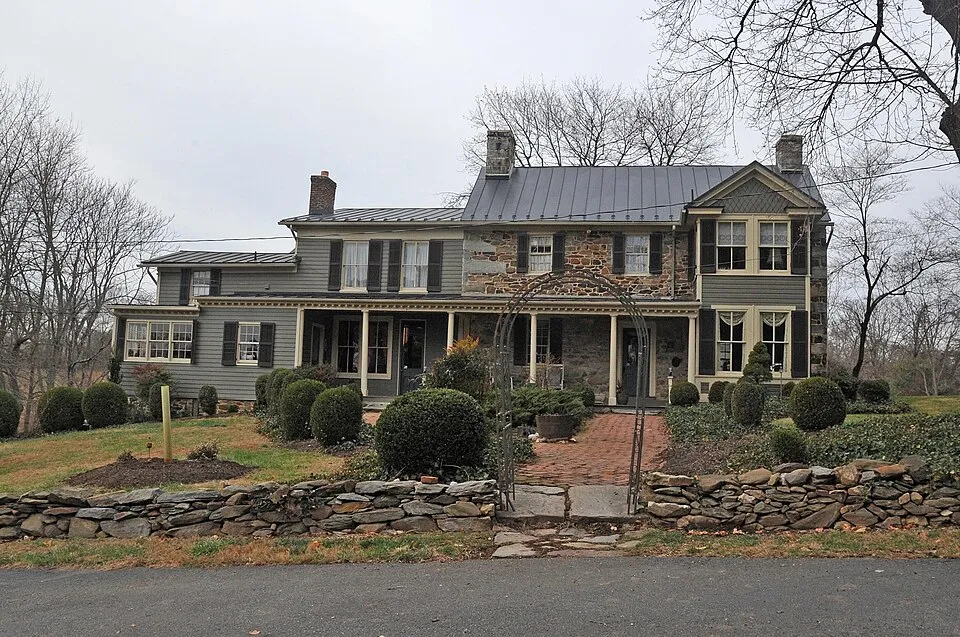
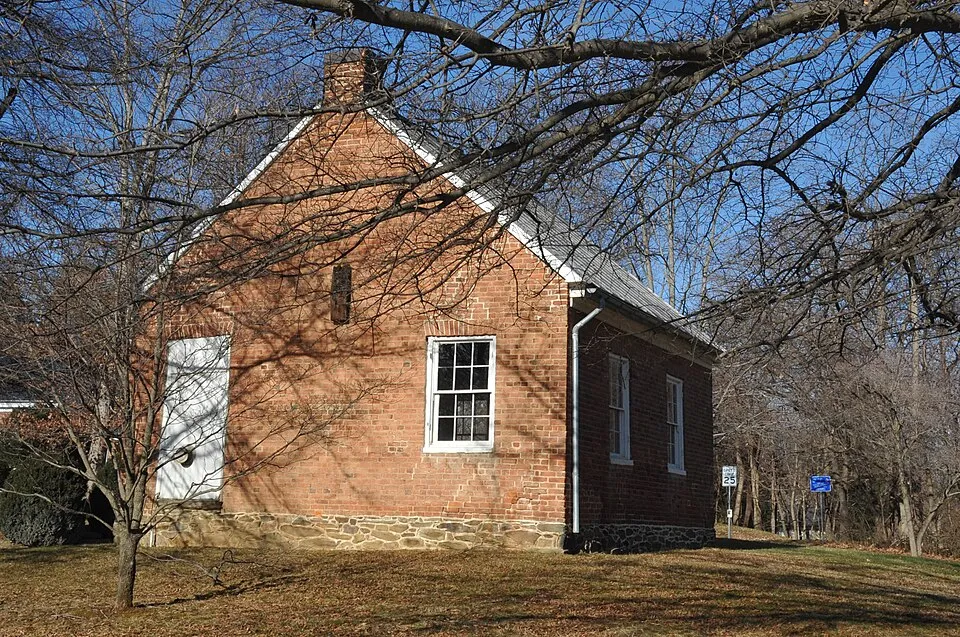
Loudoun's wineries sit among villages that were here long before the vines. Each is worth a slow look.
County seat since 1757
Leesburg
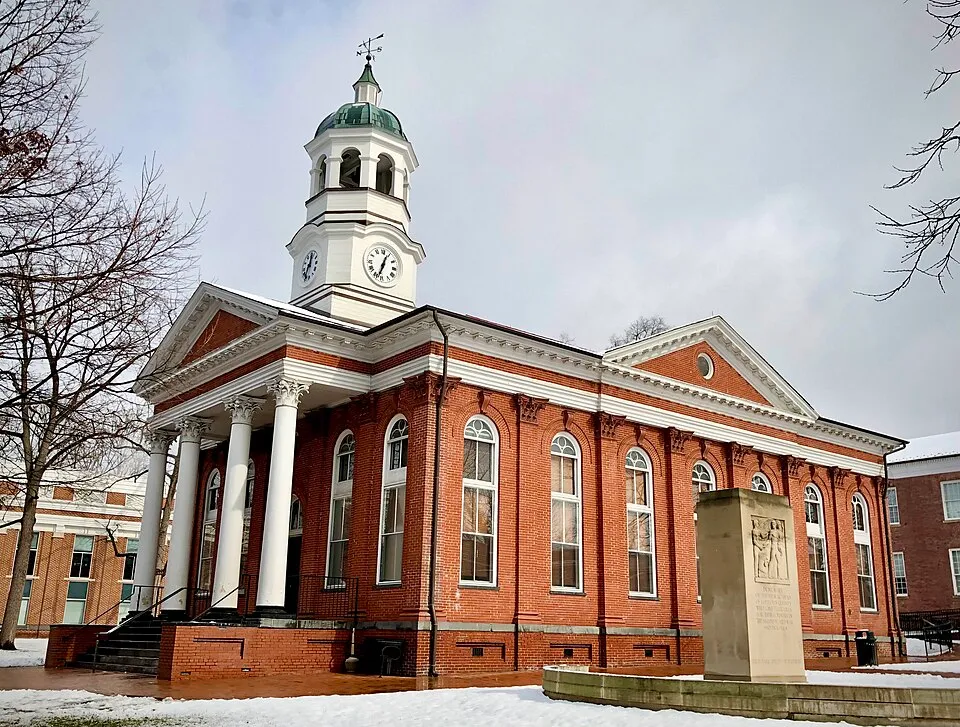
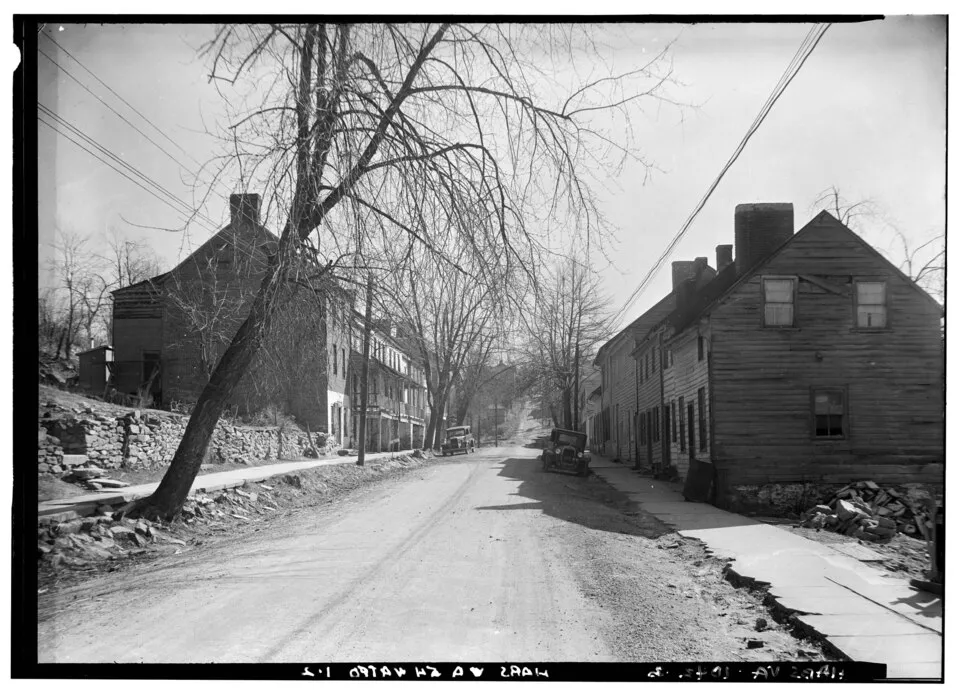
The Battle of Ball's Bluff was fought about 2 miles northeast of town on October 21, 1861. During the War of 1812,the Constitution and other state papers were carried to Rokeby, near Leesburg,for safekeeping.
Quaker mill village
Waterford
Waterford grew from a mill started around 1733 by Amos Janney and other Quakers. The 1,420-acre district became a National Historic Landmark on April 15, 1970.
Horse country
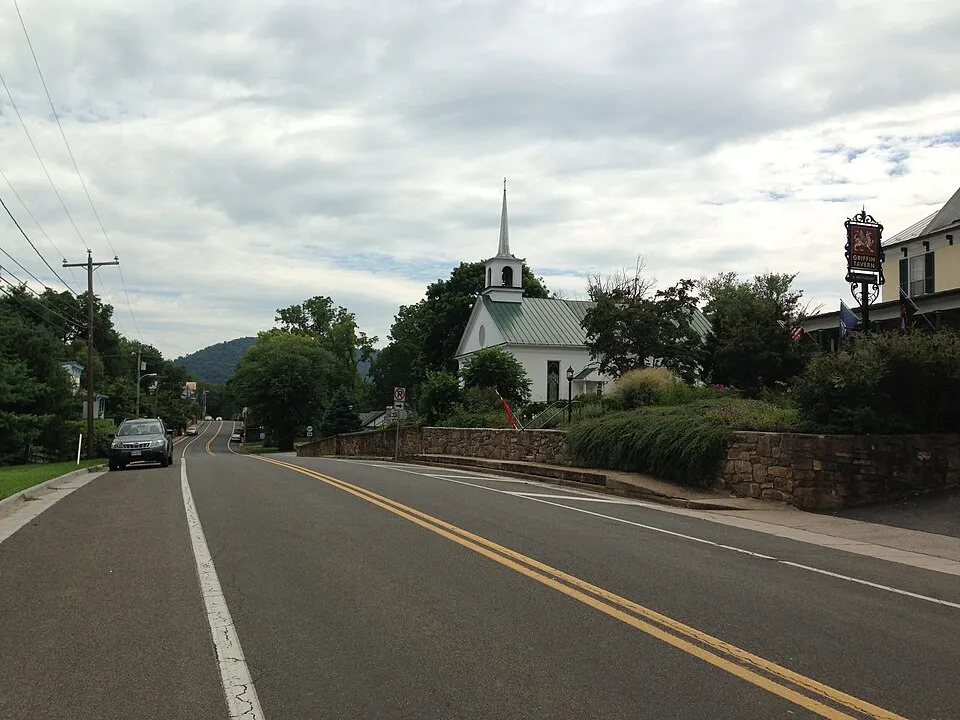
Middleburg
Founded by Leven Powell in 1787, Middleburg was known by the 1910s as the nation's leading area for fox hunting and Thoroughbred horses. It gives the Middleburg AVA its name.
The German Settlement
Lovettsville
Germans from Pennsylvania and Maryland settled here between 1745 and 1760.Since 1994,Oktoberfest is a tradition.
Railroad town
Purcellville
Named for postmaster Valentine Vernon Purcell. The railroad came in 1874.It was incorporated in 1908.
Once called the Gap
Hillsboro
First settled in 1746 and formally established on December 31, 1802. Today it is a tiny town.
Founded as Harmony
Hamilton
Quakers and others settled here, west of the Catoctin Mountains. Its first name was Harmony.
Founded as Goose Creek
Lincoln
Another of the Quaker settlements west of the Catoctin Mountains, now called Lincoln.
Swipe for more towns
Why visit
What makes Loudoun wine country special.
Plenty of places make good wine. Few pair itwith this much historyand countryside,this close to DC.
An easy day trip
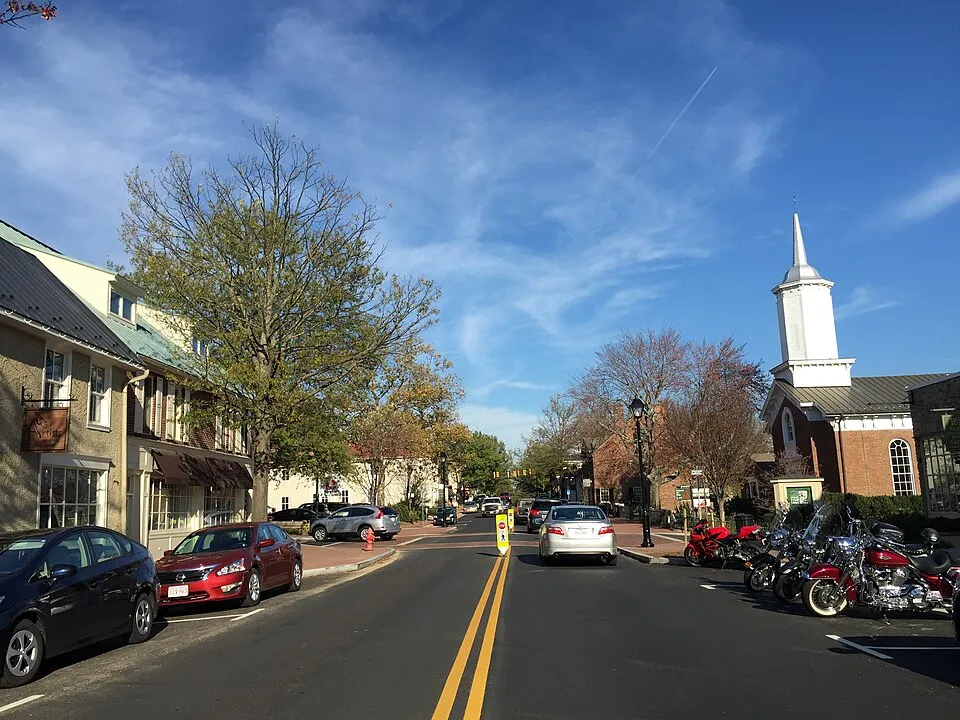
Loudoun's wine country is about 25 miles west of DC. Dulles International Airport and three Silver Line Metro stations are in the county, so out-of-town guests can get here easily too.
More wineries than any Virginia county
Visit Loudoun counts more than 50 wineries and tasting rooms,the most in Virginia.
Award-winning wine
Loudoun wineries won Virginia's Governor's Cup in 2017, 2020 and 2022.In 2024, Loudoun wines took 27 gold medals, more than any other region in the state.
Ground that rewards experimenting
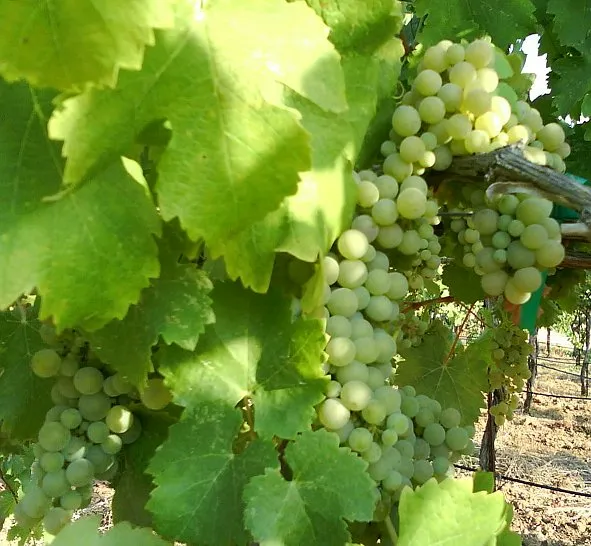
Visit Loudoun credits limestone soils, well-drained slopes and an unpredictable climate for pushing winemakers to try new things. So alongside Cabernet Franc, you will find grapes like Tannat and Albariño.
History at every turn
Quaker villages,a Civil War battlefield,old railroad towns and centuries-old horse country line the roads between tastings. Meet the towns.
A different setting at every stop
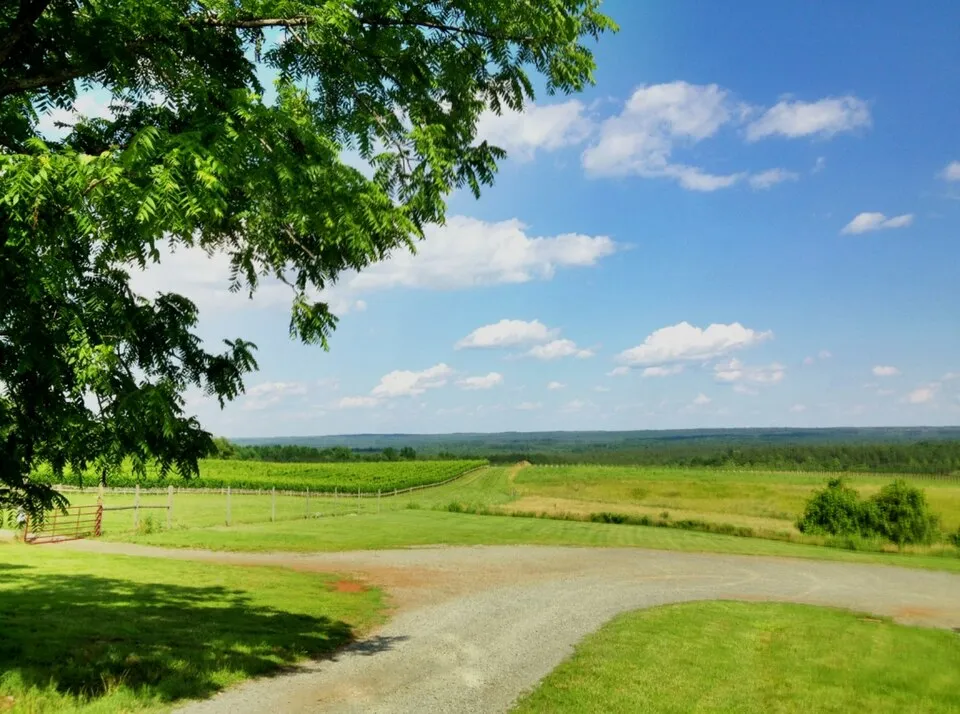
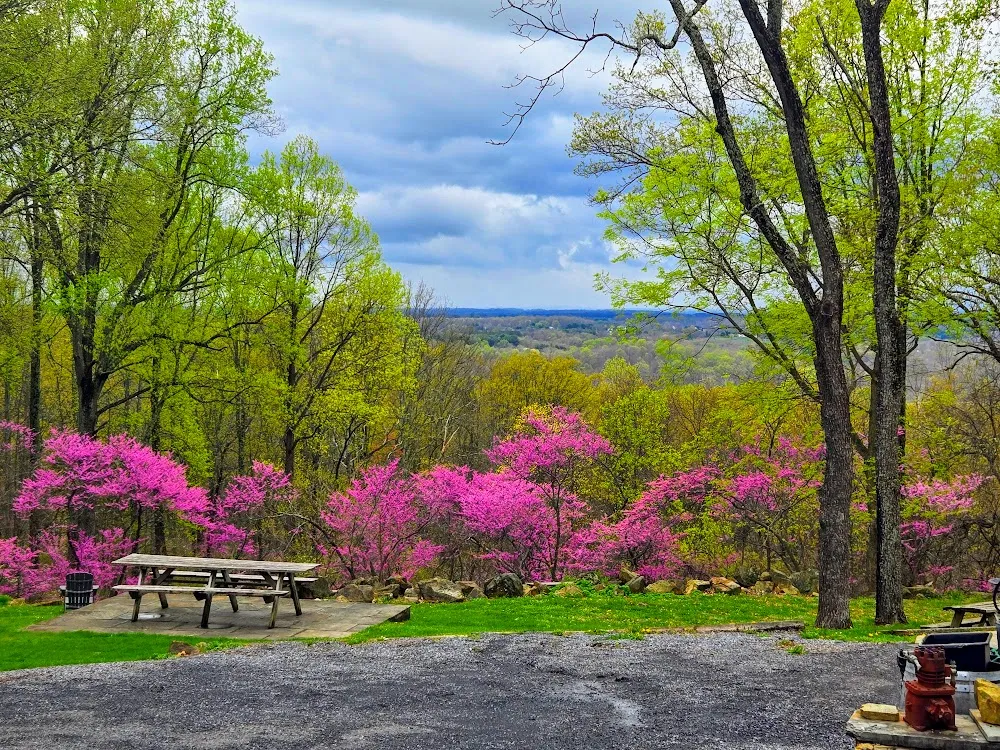
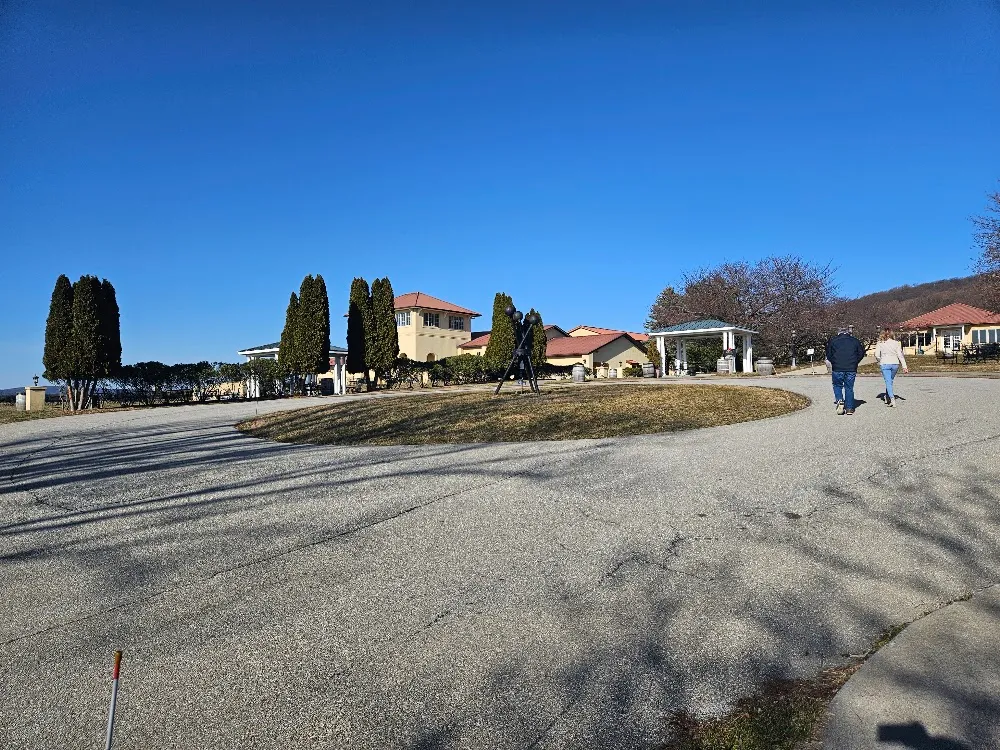
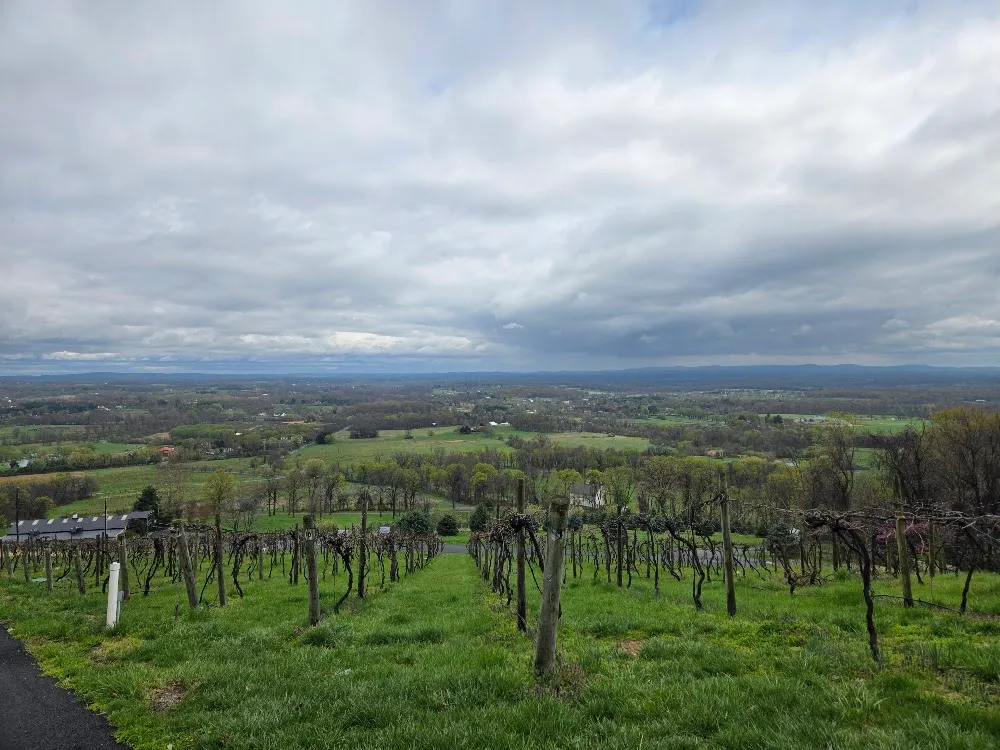
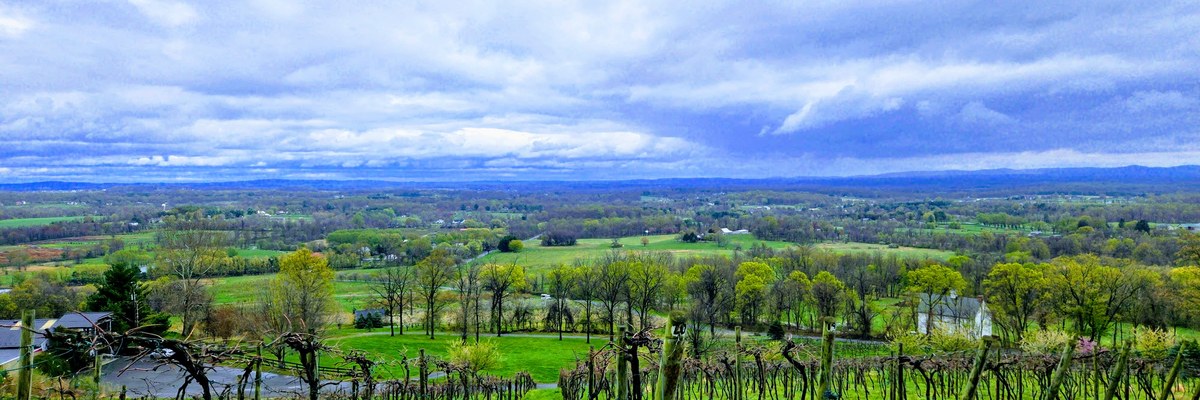
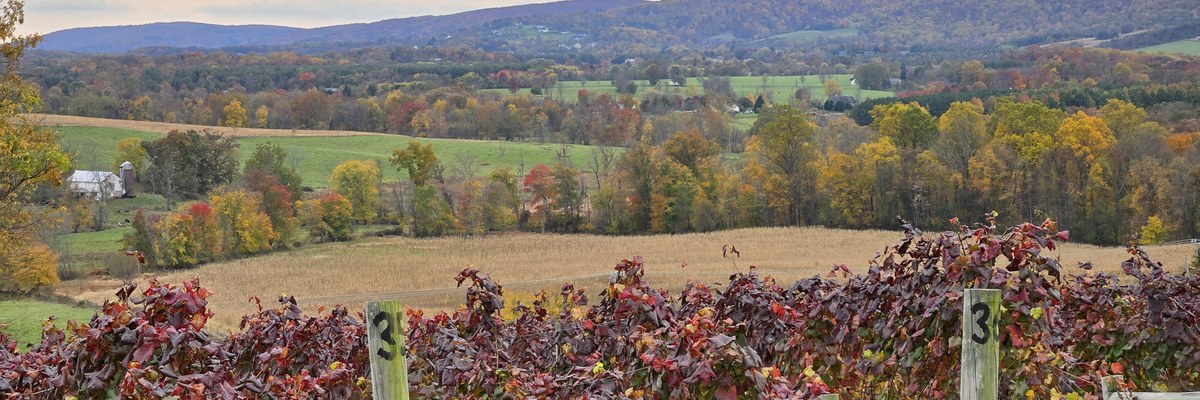
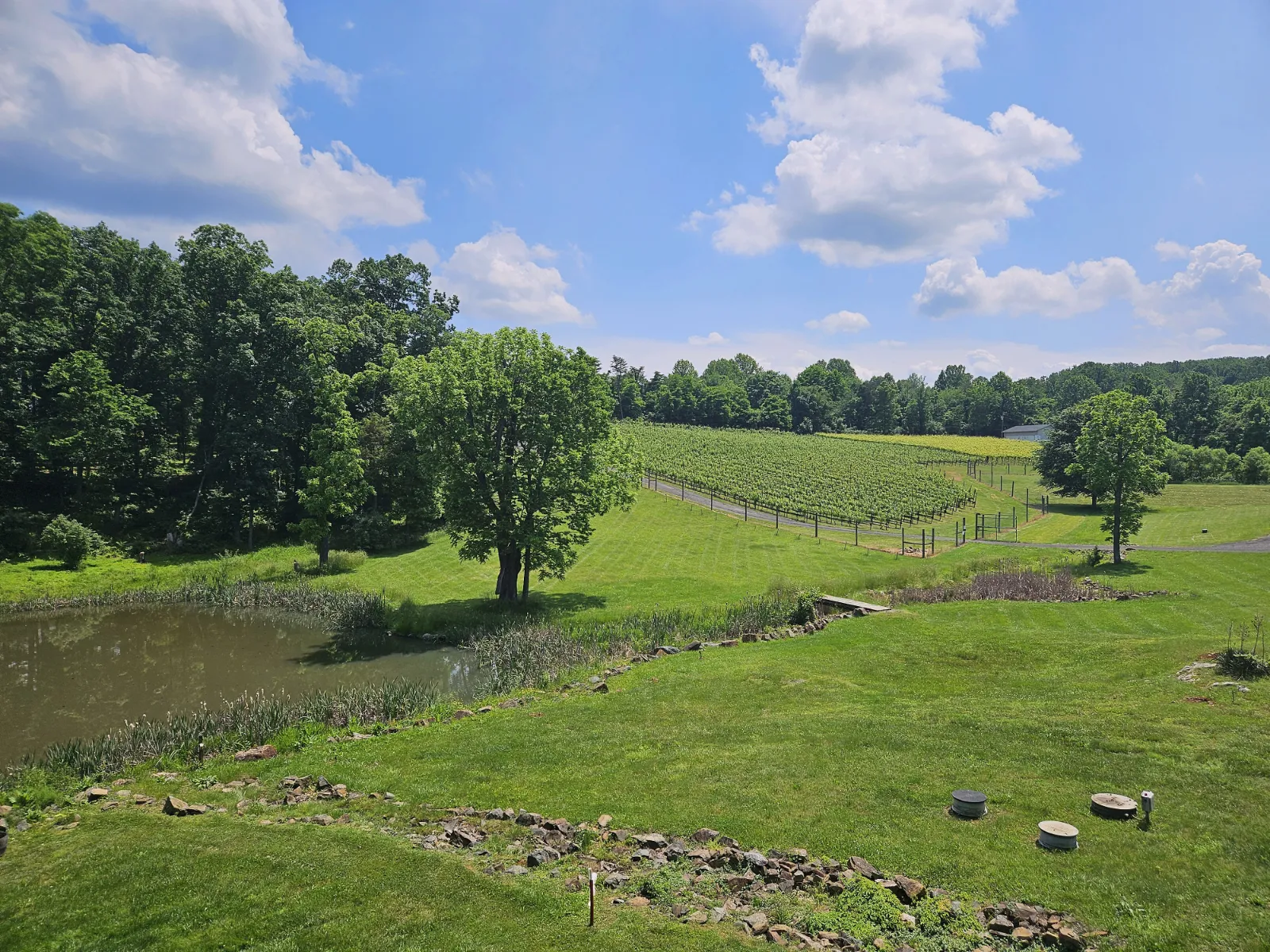
Mountain views near the Blue Ridge, working farms, and the rolling estates of horse country. Two wineries on the same day can feel completely different.
The lay of the land
The six wine areas.
Loudoun's wineries fall into six clusters. Planning by cluster keeps your day about tasting, not driving.
Purcellville and Hillsboro
Loudoun Heights
Northwestern Loudoun near the Blue Ridge, around the towns of Purcellville and Hillsboro.Expect big mountain views.
Hamilton was first called Harmony. This cluster includes Willowcroft, Loudoun's first winery. It also has The Barns at Hamilton Station, Loudoun's first Cup winner.
Southern Loudoun's horse country around Middleburg, the town that gives the Middleburg AVA its name. During the Civil War, Mosby's Rangers were active here.
Bluemont, Round Hilland Purcellville
Snickers Gap
Western Loudoun, up on the first ridge of the Blue Ridge. Bluemont Vineyard sits there,at about 951 feet.
The wineries on our routes
Our tours visit these partner wineries. Each date lists its route.
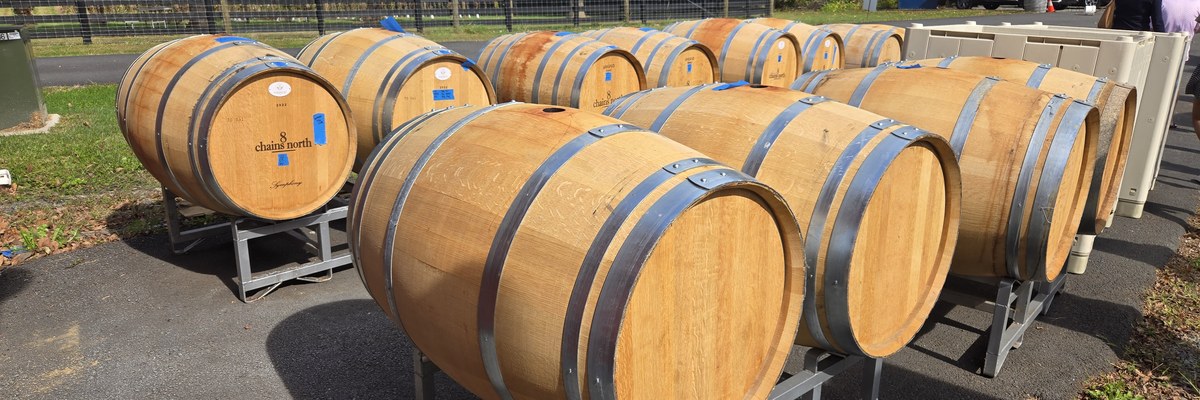
Virginia's grape harvest usually runs from mid-August to late October, and October is Virginia Wine Month. Spring brings Loudoun's Barrel Tasting each March. See our guide by month.
Plan twoor three wineries
More stops means less time at each one. We plan three at most.
Larger groups should reserve
With six or more guests, call the winery ahead.Some require reservations.
Leave the car at home
In Virginia, a blood alcohol level of .08 or higher is DUI, and you can be convicted below .08 if you are impaired. Compare a tourwith driving yourself.
Rules vary by winery
Many wineries welcome leashed dogs outdoors only, and some are 21and over.Scheduled tours are 21+.
Visit Loudoun began using the DC's Wine Country name in 2008. The county sits about 25 miles west of Washington, DC. No county in Virginia has more wineries.
How many wineries are in Loudoun County?
Visit Loudoun counts more than 50 wineries and tasting rooms in the county today.
When did winemaking start in Loudoun County?
Loudoun's modern wine industry dates to 1984, when Willowcroft Farm Vineyards near Leesburg crushed its first commercial harvest. Its 1984 Rieslingwas the county's first wine.
What wines is Loudoun County known for?
Look for Cabernet Franc, Tannat, Norton, Petit Manseng and Albariño, plus Viognier, Virginia's signature grape.
Is Loudoun County part of an official wine region?
Part of it is. The Middleburg Virginia AVA, approved in 2012, covers about 198 square miles in two counties: Loudoun and Fauquier.
What is the best time to visit Loudoun wine country?
Fall is the most popular season, with harvest from mid-August to late October and Virginia Wine Month in October. Spring and summer bring long, green days on winery decks. Our tours run year-round.
How many wineries should we visit in one day?
Two or three is the comfortable range: three on Saturdays,two on Sunday Funday.
Can we visit Loudoun wineries without driving?
Yes. Vineyard Voyages runs scheduled tours on Saturdays and Sundays, with pickups at West Falls Church Metro and in Leesburg. Private tours serve groups of 10 to 50, with DC-area pickup.
Your turn
Taste what's next.
Four hundred years of trying, and Loudoun is only getting started. Let us do the driving.