For decades, "luxury" in the wine world was often measured by the weight of the bottle and the opulence of the tasting room. But as we move through 2026, the definition of a premium experience has shifted. Today’s wine enthusiast doesn’t just want a great glass of Petit Verdot; they want to know that the soil that grew the grapes is healthy, the energy powering the cellar is clean, and the glass bottle in their hand isn't leaving a massive carbon footprint.
In Virginia, sustainability isn't just a buzzword anymore: it's the new gold standard. From the rolling hills of Loudoun Wine Country to the expansive estates of the Piedmont, wineries are embracing innovative practices that protect the land for future generations.
At Vineyard Voyages, we believe that how you get to the vineyard matters just as much as what’s in your glass. As we curate our winery tour routes, we’re proud to partner with producers who are leading the charge in eco-friendly viticulture. Here is a look at what Virginia wineries are doing right in 2026 and how you can be part of the solution.
The 2026 Sustainability Revolution: Verified Green
2026 marks a major milestone for Virginia’s wine industry. This year sees the official pilot of the Sustainable Virginia Vineyards Certification Program. Backed by the Virginia Wine Board, this initiative is moving the industry away from vague "green" claims and toward verified, standardized criteria.
By the end of this year, ten flagship vineyards will have completed the pilot, setting a rigorous example for soil health, water conservation, and biodiversity. For travelers, this means that when you see the certification seal, you can trust that the winery is operating with the highest environmental integrity.
The Incredible Shrinking Bottle
One of the most visible changes you’ll notice on your next vineyard wine tour is the weight of the bottle. Historically, heavy glass bottles were used to signal "prestige." However, the Sustainable Wine Roundtable’s Bottle Weight Accord has set a target for still wines to weigh less than 420g by the end of 2026.
Virginia leaders like DuCard Vineyards and Hark Vineyards have already transitioned to lightweight eco-glass, reducing their shipping-related carbon emissions by up to 25%. It’s proof that luxury doesn't have to be heavy.
Regenerative Farming: Healing the Soil
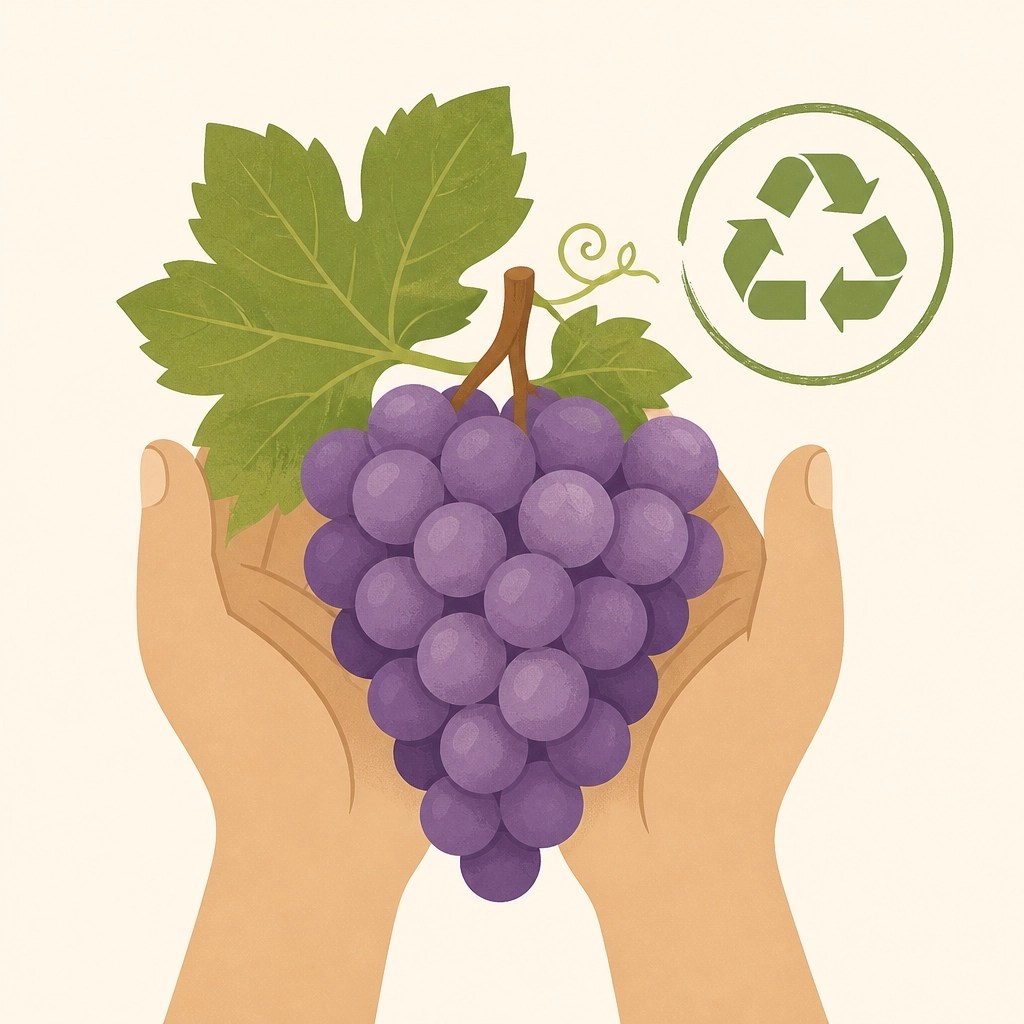
The true heart of sustainability lies beneath the vines. In 2026, more Virginia producers are turning to regenerative viticulture. This approach goes beyond "doing no harm" and actively seeks to improve the ecosystem.
- Eliminating Herbicides: Many of our partners have moved away from synthetic sprays, opting instead for tractor cultivation and hand-weeding to protect local watersheds.
- Cover Cropping: By planting native grasses and clover between rows, wineries are preventing soil erosion, sequestering carbon, and providing habitats for beneficial insects.
- Composting and Circularity: At wineries like Fabbioli Cellars, nothing goes to waste. Grape pomace (the skins and seeds left after pressing) is composted and returned to the vineyard as nutrient-rich fertilizer, closing the loop on the production cycle.
Partner Spotlight: The Eco-Leaders of Loudoun
When you book a winery tour in Virginia with us, you’re likely to visit one of the trailblazers in the green movement.
Fabbioli Cellars: The Earth-Friendly Pioneer
Doug Fabbioli has long been a champion of the "three Es": Environment, Education, and Economics. His operation is a masterclass in sustainability. The winery uses geothermal energy for climate control and has even repurposed used shipping containers into earthen-covered wine caves, providing natural temperature regulation without the need for high-energy HVAC systems.
868 Estate Vineyards: Preserving the Land
As part of our Valley Vistas route, 868 Estate Vineyards showcases how large-scale production can coexist with land preservation. Their focus on estate-grown fruit ensures that the "travel miles" of your wine are measured in feet, not miles, significantly reducing the carbon footprint of every bottle.

The Greener Way to Tour: Why Group Travel Wins
While individual wineries are doing their part, the way we travel to wine country also has a massive impact. A typical Saturday in Virginia wine country sees thousands of individual cars driving from D.C. and the suburbs into the rural countryside.
This is where Vineyard Voyages makes a difference.
1 Bus vs. 15 Cars
Our luxury, 27-passenger bus isn't just about comfort and avoiding the "designated driver" dilemma: it's a greener alternative. By consolidating 20 to 25 guests into a single vehicle, we drastically reduce the traffic congestion and carbon emissions associated with a day trip.
Supporting Local with Intention
Our tours are led by Certified Tourism Ambassadors who educate guests on the local terroir and the importance of sustainable farming. Whether you choose the Connoisseur package for a curated tasting-inclusive experience or the Explorer for more flexibility, you are supporting a network of local businesses that value the land.

Making an Impact on Your Next Trip
If you're planning a corporate event or a private celebration, choosing a sustainable path is easier than ever. Here are a few tips for the eco-conscious wine traveler in 2026:
- Look for the Cert: Ask about the Sustainable Virginia Vineyards Certification during your tastings.
- Choose Lightweight Glass: Support wineries that have transitioned to eco-friendly packaging.
- Opt for Group Transport: Reduce your footprint (and maximize your fun) by booking a guided tour.
- Join the Circular Economy: Wineries like Fabbioli offer bottle-return programs for specific labels: be sure to participate!

Experience the Future of Virginia Wine
Sustainability isn't a destination; it's a journey. In 2026, that journey is leading toward cleaner water, healthier soil, and a more vibrant wine community. At Vineyard Voyages, we are proud to be your bridge to the best of Virginia's eco-friendly estates.
Ready to explore the "green side" of the vine? Book your Virginia wine tour today and see for yourself why sustainability is the most delicious trend of 2026.